Fertility decline and below-replacement birth rates
Why slowing natural increase makes migration a larger driver of urban growth.
Climate-related displacement is often assumed to be temporary. Where shocks recur, the evidence shows that movement frequently becomes permanent, and that cities absorb the result.
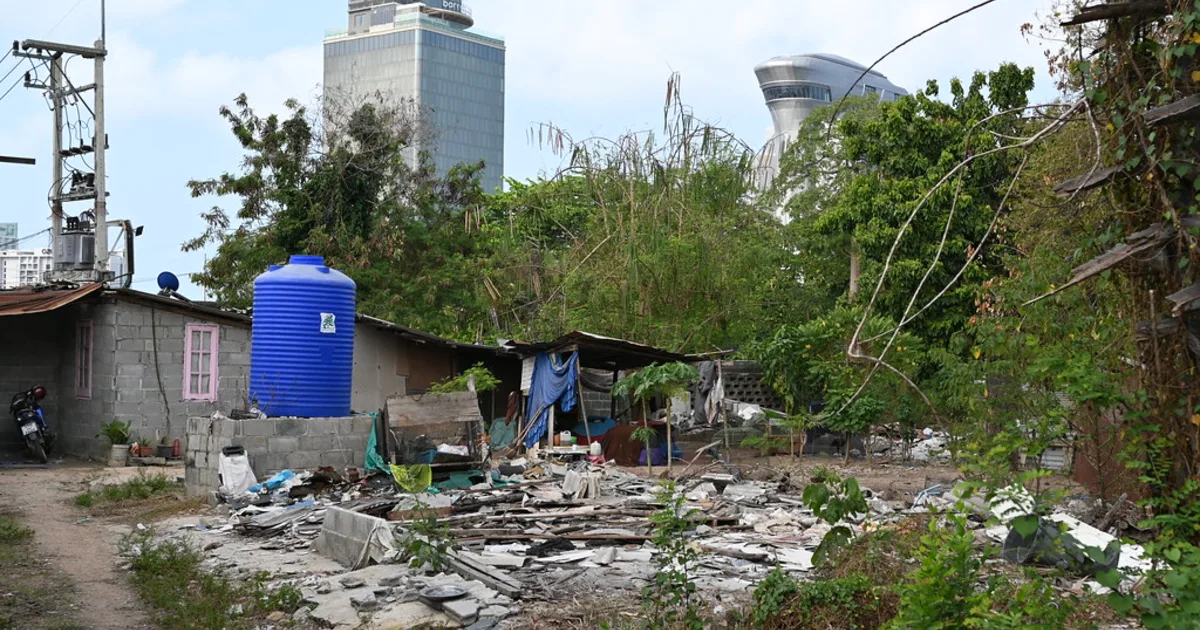
This brief examines how climate-related displacement transitions from temporary to permanent, drawing on recent reporting of flood displacement in South Asia and the broader migration literature. Where households face repeated or compounding shocks, return becomes less likely and urban settlement more common. The pattern places demands on cities that are themselves exposed to climate risk, and it tends to be governed by humanitarian rather than long-term planning frameworks. The brief sets out the evidence and the policy gap it reveals.
Displacement after a flood, storm, or drought is commonly recorded as temporary, on the assumption that people return once conditions stabilise. Recent reporting on flood-affected populations in Pakistan, where the 2022 floods displaced millions and later events have compounded the loss, indicates that this assumption holds less often than the temporary label suggests. The Migration Policy Institute has documented how repeated flooding can convert short-term displacement into permanent urban settlement.
The transition is rarely a single decision. It accumulates through repeated shocks that erode the asset base required to rebuild in place. Each event reduces the resources available for return, while time spent in a receiving area builds the housing, employment, and social ties that make staying viable. The migration literature describes this as path dependence: early movement shapes later movement, and the option of return narrows.
Where climate shocks recur, displacement that is recorded as temporary frequently resolves into permanent urban settlement. The relevant policy horizon is years and decades, not the weeks of the emergency response.
Permanent settlement concentrates in towns and cities that are often already growing and, in many cases, exposed to climate hazards of their own, from heat to their own flood risk. Arrivals frequently settle in informal areas with limited services, where they may be exposed to the same hazards that prompted the move. This intersects with the demography of urban growth discussed in our reading of fertility decline, where slowing natural increase makes migration a larger component of where cities expand.
The governance gap is structural. Emergency displacement is handled through humanitarian instruments designed for short horizons, while permanent settlement requires housing, infrastructure, and labour-market policy. Few national frameworks connect the two, so populations that have, in practice, relocated permanently can remain administratively framed as displaced.
When the emergency label outlives the emergency, planning that should treat people as residents continues to treat them as a temporary caseload.
The claim the evidence supports is specific: under recurrent shocks, in particular settings, displacement tends toward permanence and toward cities. It does not support a single global figure for climate migration, an estimate that remains contested for reasons set out in the wider literature. Attribution to climate as opposed to other drivers is also partial, since movement reflects economic, political, and environmental factors together. These distinctions matter, because over-claiming undermines the credibility of well-founded findings.
This brief summarises published reporting and research and adds no original estimation. Its conclusions are bounded by the regions and periods covered in the cited sources.
The figure in this brief is illustrative and is not a measured series. Source links are provided for verification and were last reviewed on the publication date.